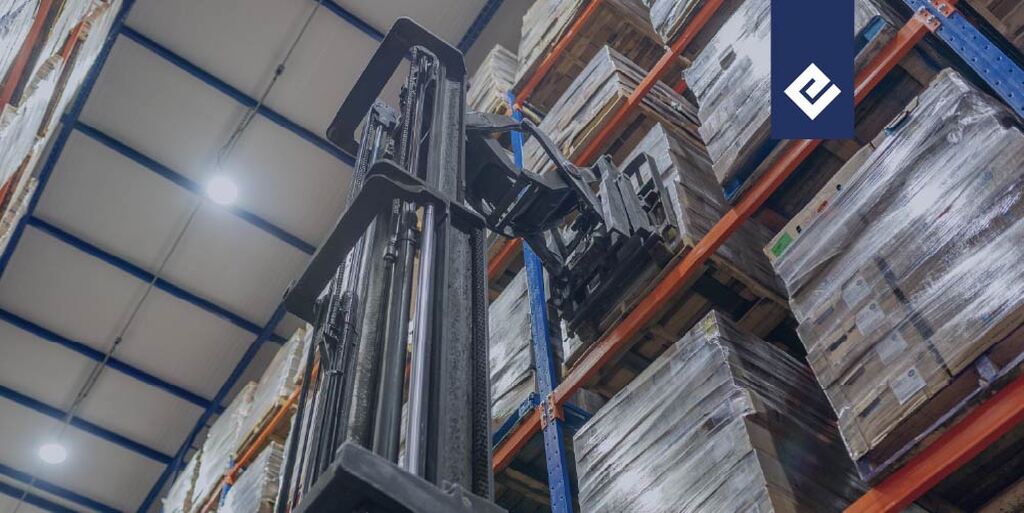


Cold logistics can be a daily challenge when the temperature gets out of control, the deadlines arrive, and the risk of losses threatens the results. How can you guarantee that meat, fish, fruits and vegetables arrive at their destination with quality preserved?
It is precisely at this point that understanding the better functioning of the cold chain makes the difference. In understanding the stages, the most common obstacles and the innovations available, it becomes easier to transform logistics challenges into opportunities for an operation with greater efficiency.
In this article, we will show how cold logistics works, why it is so important, what the principal challenges are, and which innovations and trends are already redefining the future of the cold chain. Continue reading!
How does cold logistics work?
Cold logistics works through a rigorous control of temperature at all the stages of the warehousing, transport and distribution of perishable foods.
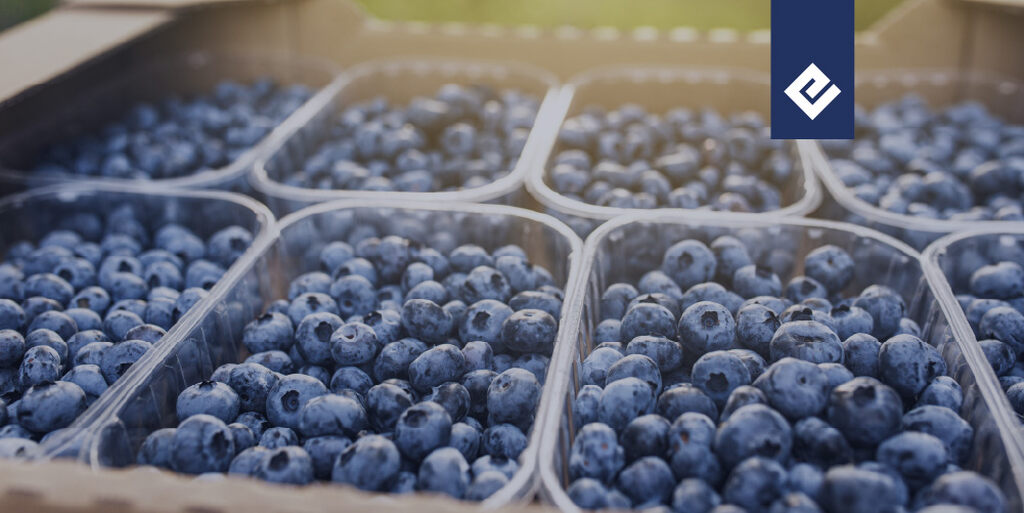
This process guarantees that meat, fish, fruits and vegetables arrive at their final destination with safety and the quality preserved.
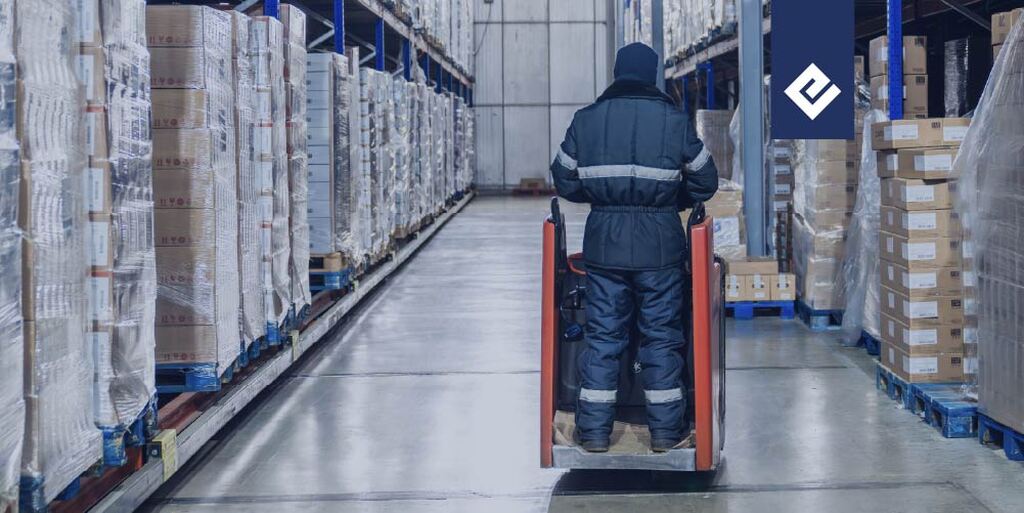
In practice, we use cold rooms calibrated for different temperature ranges, refrigerated vehicles equipped with continuous monitoring systems and the proper thermal packaging.
Besides the cooling and freezing, the logistics of frozen foods requires constant tracking to identify variations and immediate action. The use of digital technologies, thermal sensors and reports in real time increase predictability and reduce the risk of losses.
The importance of cold logistics in the cold chain
Cold logistics is a strategic part of the cold chain, as it ensures less waste, greater efficiency and trust for clients and consumers.
Data from the United Nations Food and Agriculture Organization (FAO) estimate that 13% of world production of food is lost even before it gets to the retail stage. And most of these losses take place due to failures in conservation during transport and warehousing.
The cold chain, when it is well structured, is the principal defense against this problem.
But its importance goes beyond the reduction of waste: it ensures compliance with international health standards, makes the export of perishables viable and guarantees consumer trust.
Read also: How to avoid the waste of food in the transport?
Stages of cold logistics for food
Cold logistics for food is divided into three principal stages: warehousing, transport and distribution. Each of them has its peculiarities that contribute to a single objective: maintaining foods in the ideal conditions for consumption.
Warehousing
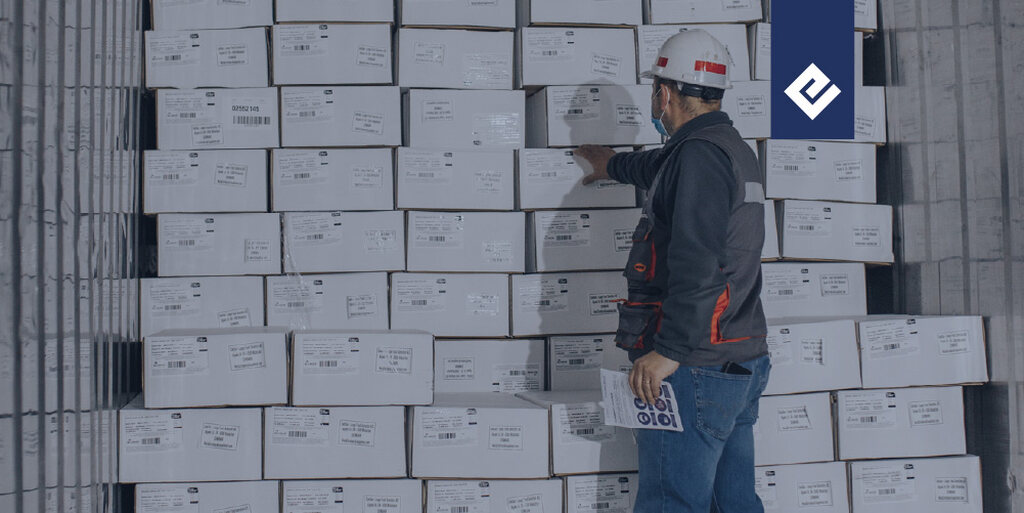
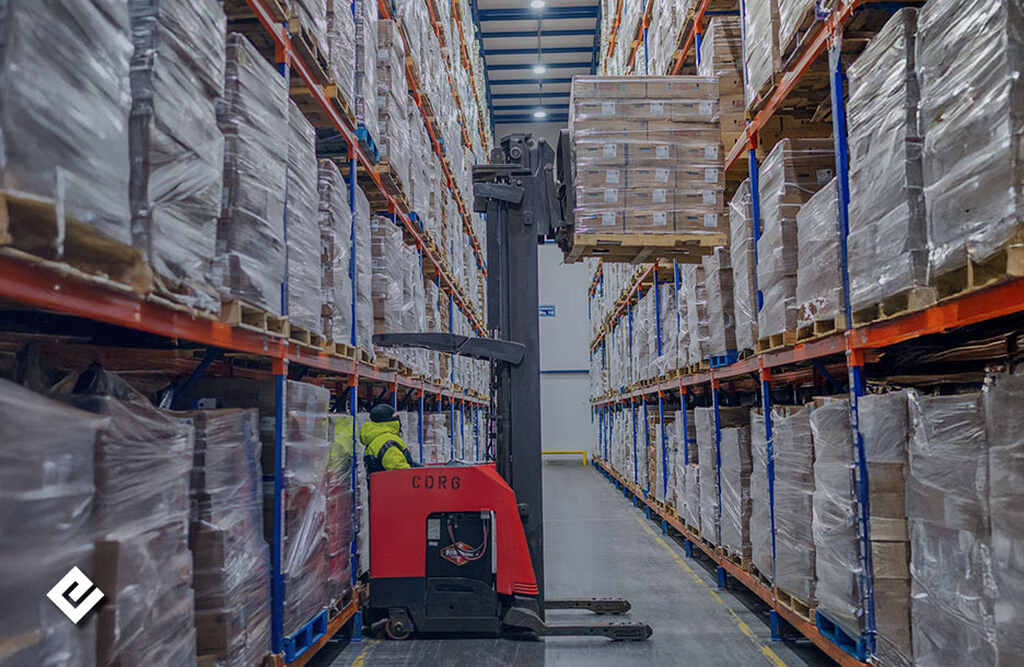
Cold warehousing is the starting point to preserving the integrity of perishable foods. This process occurs in specially designed cold rooms to maintain stable conditions of temperature and humidity.
The correct variation in refrigerated rooms is normally between 0 °C and 5 °C and in cold rooms (also called frozen or freezing rooms) is at –18 °C or less.
Besides the temperature, the space must meet the hygiene standards and allow the proper circulation of cold air.
Transport
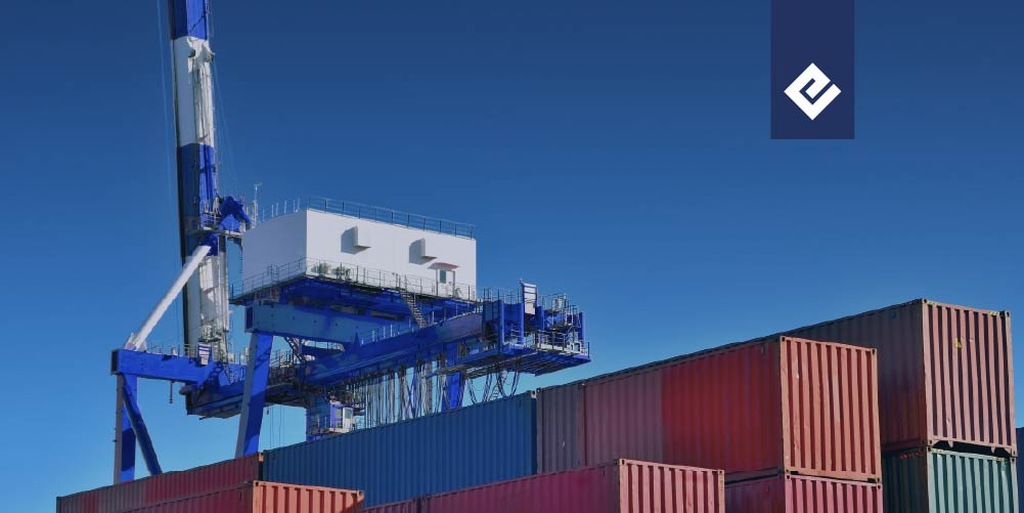
Cold transport must guarantee that food maintains the conservation temperature from when they leave the warehouse to their next destination.
To this end, we use refrigerated vehicles equipped with continuous monitoring systems able to record and adjust the conditions throughout the journey.
Another important aspect is the use of isothermal packaging that helps reduce thermal oscillation and protect the products from physical impacts.
Find out more: Logistics management of the cold chain: efficiency, control and innovation
Distribution
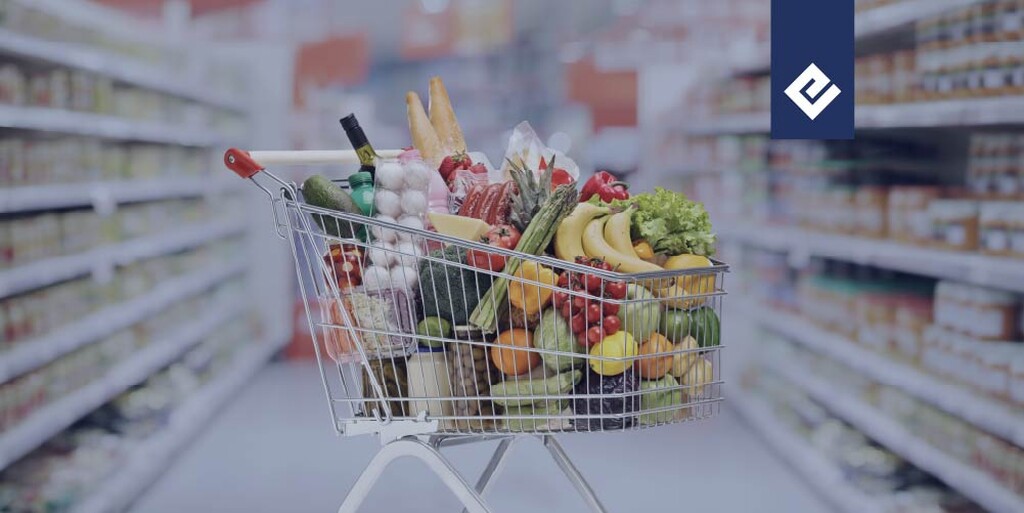
The distribution stage connects food to the centers of consumption, be they local markets or for international export.
At this point, efficiency is fundamental. After all, failures in routing, delays or lack of care in the transfer between modes may compromise the whole load.
Thus, at Emergent Cold LatAm we work with integrated processes, with trackability in real time, using specialized teams and support infrastructure at the principal ports and urban centers.
Regulatory norms for cold logistics
In Latin America, cold logistics follows the global standards that ensure food safety and the integrity of the products.
Among the most significant ones are the certifications recognized by the Global Food Safety Initiative (GFSI), such as FSSC 22000, BRCGS, IFS Food and SQF, applicable to different stages of the cold chain.
For warehousing and transport operations, IFS Logistics is widely adopted by companies exporting meat, fish, fruits and vegetables.
In Brazil, as well as the increasing adoption of norms aligned with the GFSI, all the processes are regulated by the National Health Surveillance Agency of Brazil (ANVISA) and the Ministry of Agriculture (MAPA).
Another significant point for foreign trade worth mentioning is the AEO (Authorized Economic Operator) certification, equivalent to the AEO in the international sphere. It attests to the customs compliance of the companies and facilitates the export of perishables processes.
Principal challenges in refrigerated food logistics
The first challenge in temperature-controlled food logistics is maintaining stable temperatures, which must be constant and monitored in real time to avoid losses. Any fluctuation may compromise product integrity and lead to waste.
Another obstacle is the infrastructure. In many countries in Latin America, the road network, the ports and the availability of specialized warehousing centers are also bottlenecks in the cold chain.
This reality requires planning and constant investments in technology and maintenance.
The complexity of logistics management is also worth highlighting. In the end, guaranteeing that all the stages we have mentioned operating in an integrated manner requires robust tracking systems and teams trained to respond quickly to unforeseen circumstances.
Lastly, it is the choice of logistics partners that meets the requirements of quality, regulatory compliance and regional coverage.
Trends and technologies for cold logistics
The principal trends of cold logistics are linked to the use of technology for monitoring in real time.
In this context, it is already possible to accompany the temperature of the food throughout the whole journey, with immediate alerts whenever there is any variation from the norm.
A good example of this is the application of the Internet of Things (IoT) and of smart sensors that expand the control of cold chambers, vehicles and packaging.
Similarly, there is the increasing use of artificial intelligence (AI) applied to predictive analysis. On the basis of the data collected, these systems are able to identify risks of faults, to optimize routes and even anticipate maintenance needs, reducing losses and costs.
Count on our solutions for all stages of the cold chain
Cold logistics is a decisive link in preserving the quality of meat, fish, fruits and vegetables, reducing waste and guaranteeing predictability in operations.
At Emergent Cold LatAm, we bring together modern infrastructure, continuous monitoring and specialized teams to transform this challenge into concrete results. With a strategic presence in 11 countries of Latin America, we deliver reliability and efficiency to those who are seeking to raise their logistics standards and to comply with the global quality requirements.
Find out about our services and cold logistics solutions and how we can support your company at all stages of the cold chain.